Wednesday, December 8, 2021

Teaching Young Students Culture, History, and More with Robotics!

See full article at its source: https://www.smartbrief.com/original/2021/12/integrating-culture-and-history-robots

KIBO Home Edition: Bring Screen Free Robotics Home | KinderLab Robotics

"My school, the New England Jewish Academy, is a dual-curriculum school. I teach general studies to students in 1st and 2nd grade for half of the school day, and my students spend the other half of their days with a Hebrew teacher and a Judaics teacher. That means I get about half the time to teach the same content that teachers who work with students all day get.

One of the ways I make the most of my instructional time is by integrating different content areas into the same lessons, sometimes in surprising ways. This year, for example, I have been working with my students’ Judaics teacher, Shifra Silver, to combine STEM learning with lessons about Jewish holidays.

A robot ritual

This year our principal, Rabbi Zev Silver, introduced me to a screen-free educational robot called KIBO. As we looked through resources and lessons for using it, we came across the Limudei Code-Esh (LCE) project from a partnership with Tufts University and the David Lear Sulman Fund. LCE is a STEAM program that integrates coding and computational thinking through six Jewish holidays: Sukkot, Chanukkah, Tu B'shevat, Purim, Pesach, and Yom Ha’atzmaut. It was created as a collaboration between Tufts Professor Marina Bers, the co-creator of KIBO, and Jewish educators from orthodox, conservative, and reform day schools and supplemental schools,

We began with the unit for Sukkot, which includes a ritual where participants gather a palm frond, a myrtle leaf, and a willow branch. They bind them together to form a bundle called a lulav, and then shake them together with a citron in each of the cardinal directions, as well as up toward the sky and down toward the ground, all the while walking around a table reciting a prayer. The ritual is a reminder of the time that the Jewish people spent wandering in the desert, and a celebration of how they found what they needed to survive and thanked God for it.

Since we were more interested in ensuring the students understood the ritual than gathering materials, my students’ Judaics teacher Shifra Silver put together lulavs for the students with green toothpicks, little frilly pieces that looked a bit like leaves, and yellow push pins for the citron that would hold the whole thing together. We started by having students program their robots to perform the shaking part of the ritual, but expanded the focus on having them teach their robots to “walk” around a small table called a bimah that we set up on the floor. 

We provided craft materials to the students, as well as art platforms for them to attach to the KIBO kit to carry the lulav on..


...Helen Schwartz teaches 1st and 2nd grade at the New England Jewish Academy, where she recently used KIBO to help her students celebrate Hannukah. She can be reached at hschwartz@neja.org."

Saturday, November 27, 2021

Student Robotics to " Protect Our Animals" ....Received in my In Box, the 2021 MWRC Global Online Finals


Join and Protect Our Animals

After three months of trials and competitions, the 2021 MWRC Global Online Finals was successfully concluded. More than 200 teams from around the world engaged in the competition, including Mainland China, Singapore, Japan, Russia, Ukraine, the United States, Canada, Finland, Hong Kong (China), UAE and Australia, etc.

In this competition, which was themed [Join and Protect Our Animals], children from all over the world created various animal protection plans by combining wonderful ideas with the topic Environmental Protection and using their own coding works. That was amazing


Competition Review

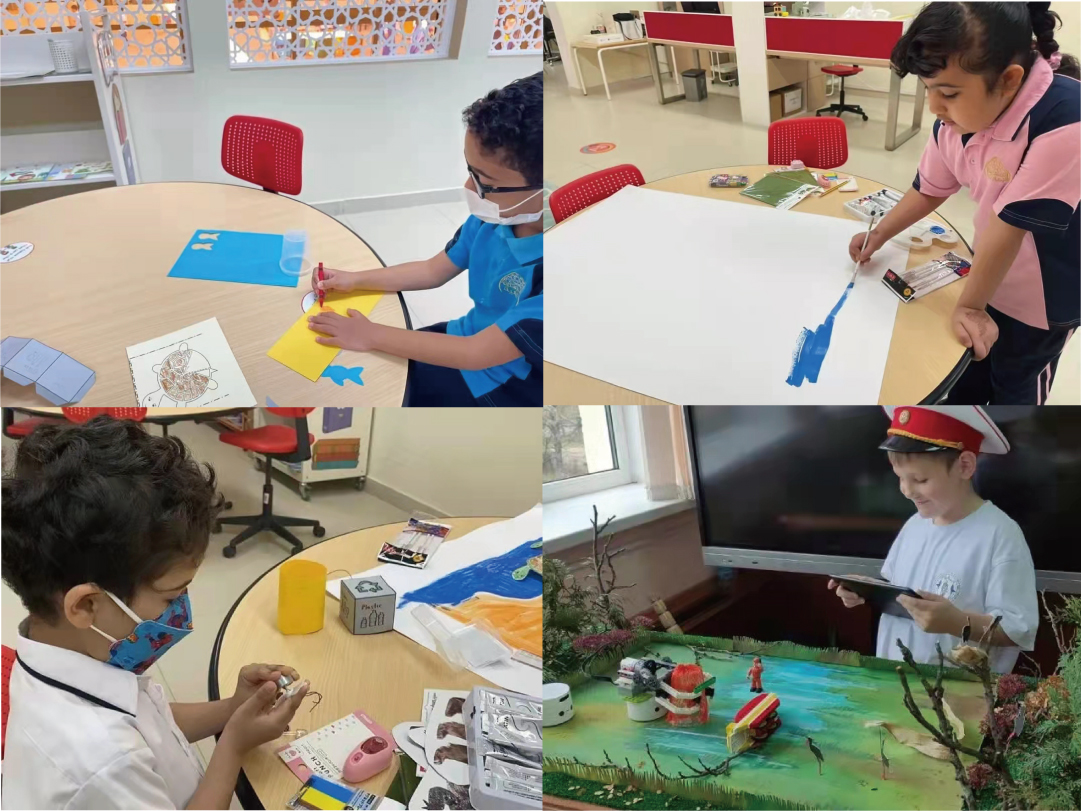
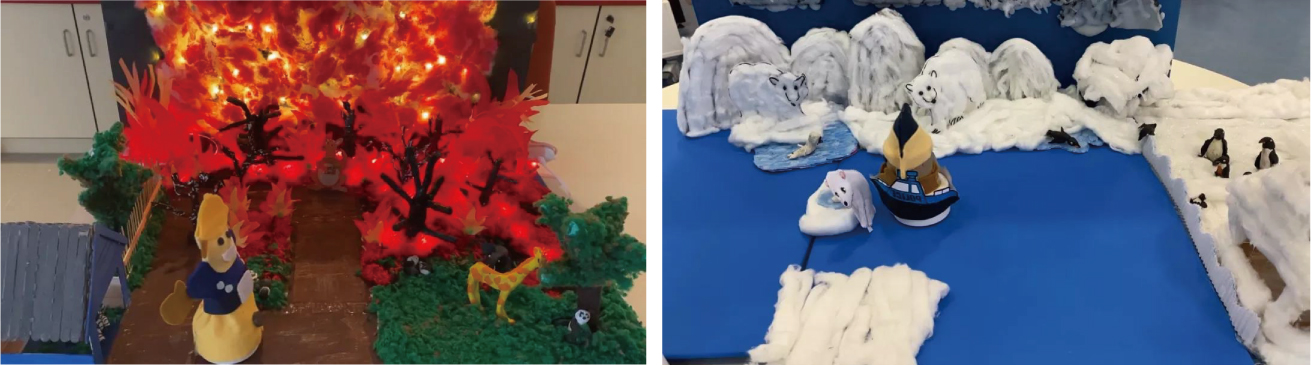
The young contestants were ingenious and their division of work was clear. They used paper, brushes, Lego blocks and other readily available materials to create a conservancy in their own minds.
 

Little Matatalab guardians can be seen everywhere, whether in the jungle, in the desert or on the glacier. 
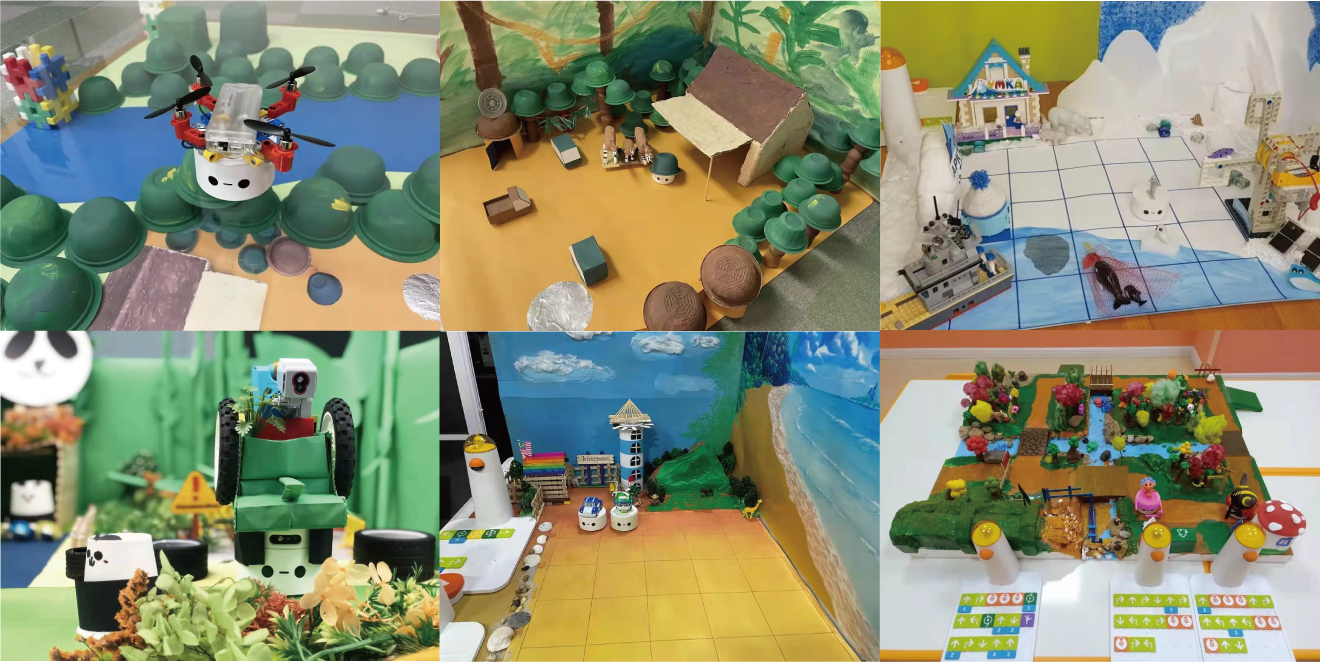
 

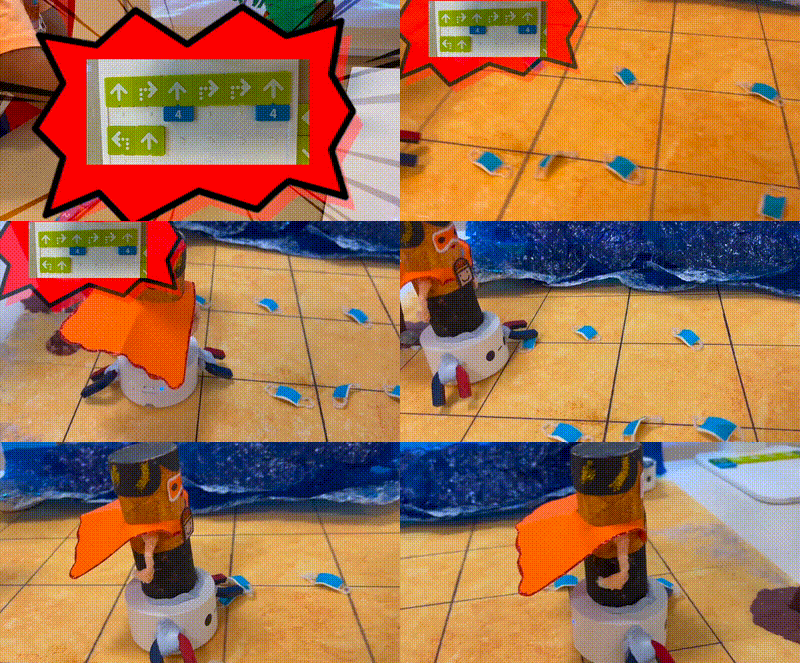
Some were cleaning up garbage over and over on the wavy seashore. 
 

Some were secretly patrolling in the jungle. 
 

Some were walking between volcanoes and glaciers.
 

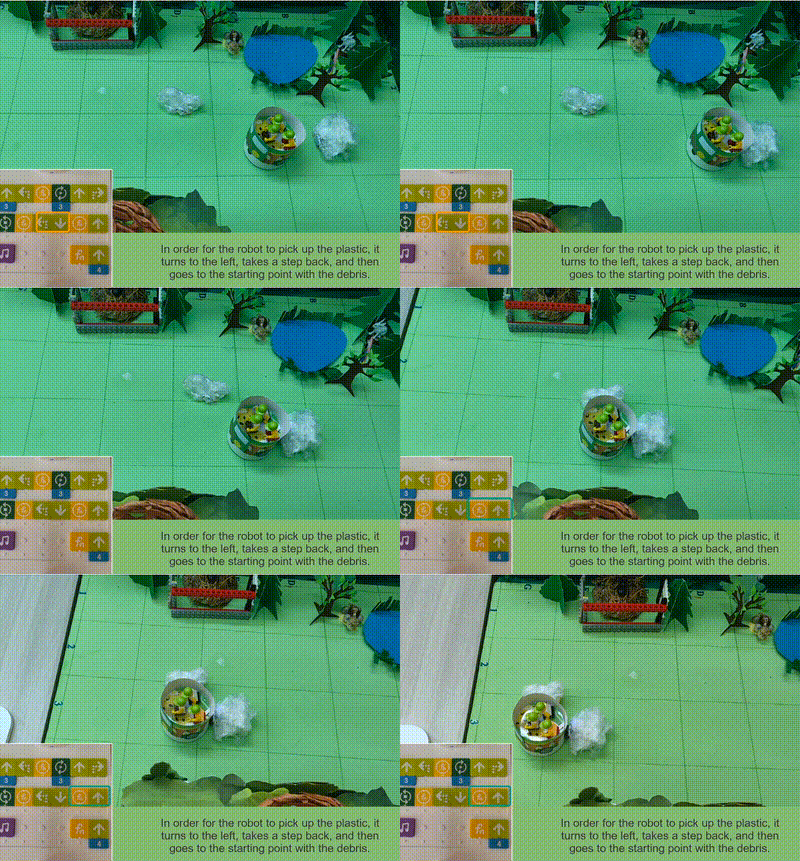
Some were cleaning up plastic garbage in the conservancy.
 

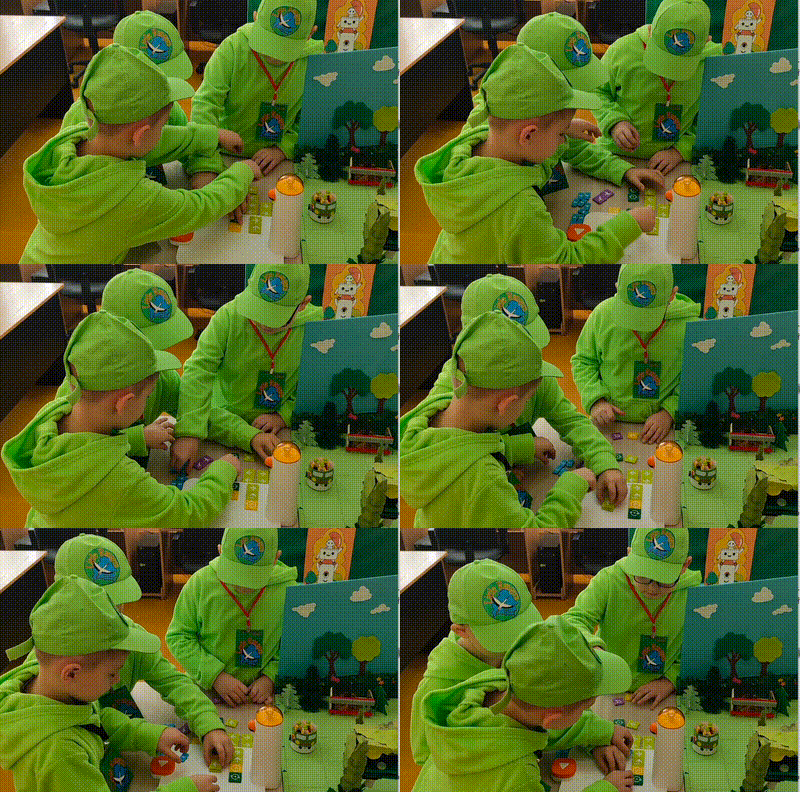
Members of each team participating in the competition worked hard and cooperated quite skillfully. It can be seen at a glance that they have practiced a lot. No wonder the works presented were so amazing.
 

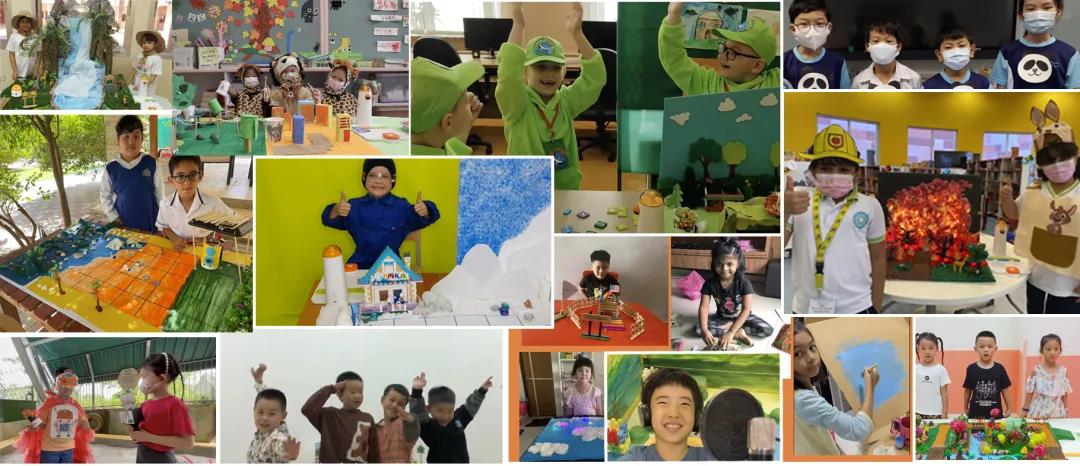
We are so proud to see the smiling faces of the children from worldwide! 
 

Winners 

There were so many participating teams, and wonderful works were emerging one after another. Which teams would then finally stand out and win the honors of the year?
Wednesday, November 24, 2021

Create a Robot Library


How to Create a Robot Library
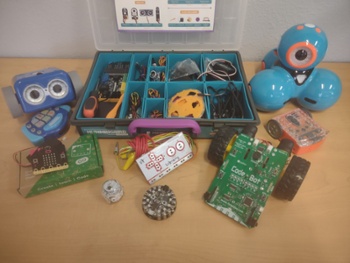
"As soon as you bring a robot into a classroom, kids are already curious and wondering and excited," says Shawn Abele, instructional technology coordinator for Gilbert Public Schools in Arizona. However, Abele and Jon Castelhano, the district's executive director of technology, also know that sometimes robotics in the classroom is used merely as a fun way to pass the time and keep kids entertained rather than an educational tool. So when their district purchased a number of robotics kits in 2020 to loan out to various schools and classrooms in the district, they were determined to avoid using the devices as a gimmick.
Full Story: Tech & Learning (11/24)